
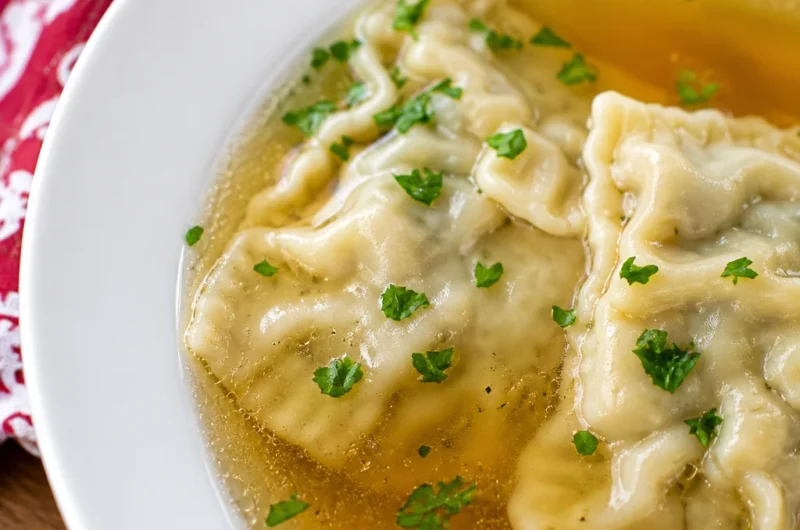
Classic German Maultaschen (Swabian Stuffed Pasta Pockets) are my go to answer when I want something cozy, filling, and way more fun than a plain bowl of noodles. You know those days when you are hungry and also kind of bored with your usual recipes? This is exactly what I make. They look fancy, but they are honestly very doable at home, even if you are not a pasta expert. Plus, you can cook a big batch and it feels like you have future meals sitting there waiting for you. 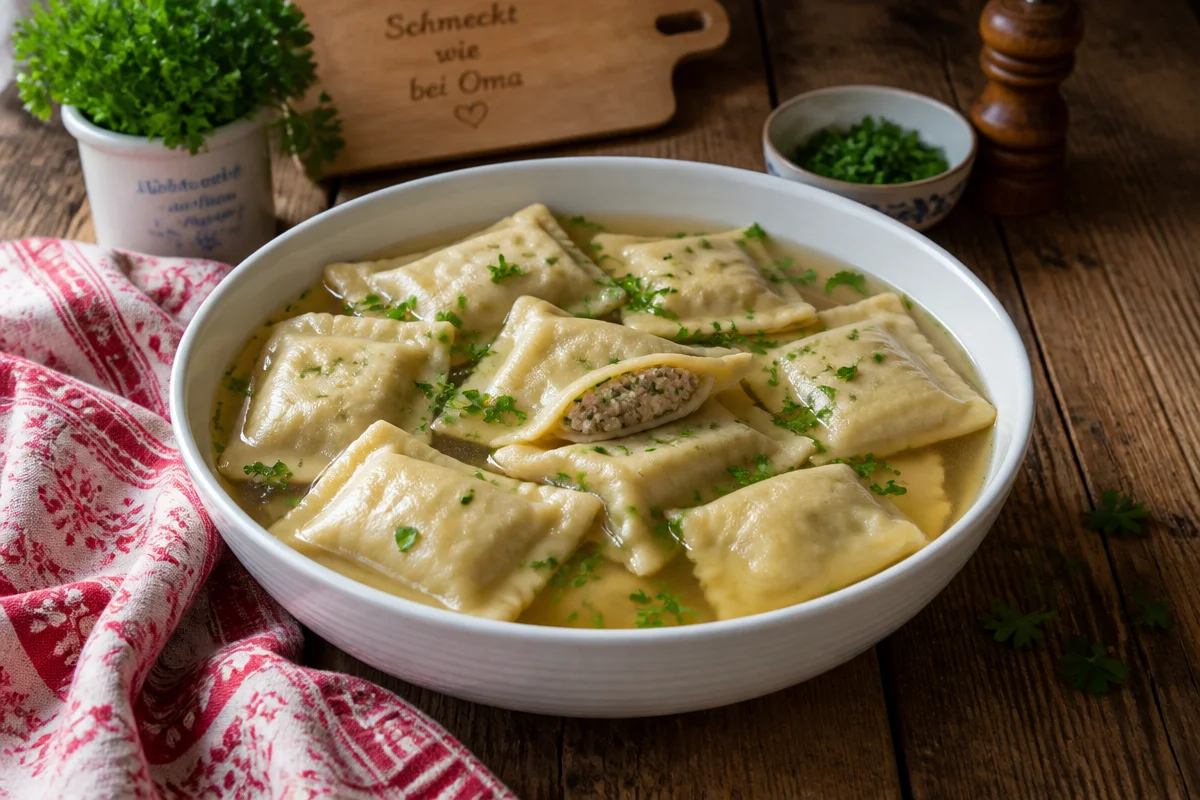
Homemade Maultaschen
The first time I made these at home, I was shocked by how satisfying it felt to stuff and seal each little pocket. It is one of those kitchen projects that is relaxing once you get the hang of it. And the smell while they simmer is just pure comfort.
Homemade Maultaschen (Swabian Stuffed Pasta Pockets) are basically big pasta pillows filled with a savory mixture, often meat, spinach, onions, and herbs. Some people make them smaller, but I like them a bit larger because they are easier to fill and you get that hearty bite.
A quick realistic pep talk: your first few might look a little wonky. Mine did. Still tasted amazing. The key is keeping the dough from drying out and not overstuffing. If the edges are clean and you press them well, you are in good shape.
If you want to turn it into a full German comfort food night, I love pairing these with something snacky first. Homemade pretzels are perfect for that, and this recipe is the one I actually use: authentic German soft pretzel recipe.
Where Did Maultaschen Originate?
Maultaschen come from Swabia, which is in southern Germany. The story people love to tell is that monks made them to hide meat during Lent by wrapping it in pasta, so it was not so obvious. You might hear them called “Herrgottsbscheisserle” in the region, which is a funny old nickname that basically teases that idea of hiding the meat.
Whether that story is exactly true or not, what matters is that this dish stuck around because it is practical and delicious. It is also a great example of how German home cooking can be simple, resourceful, and seriously tasty.
I also like that Maultaschen are not “perfect food.” Families have their own versions, their own little tweaks, and their own opinions about what filling is best. That is my favorite kind of traditional recipe because you can make it yours without feeling like you are doing it wrong.
I tried your method for sealing the pockets and they did not burst at all. My kids ate them with broth and asked for seconds, which never happens with new recipes. Thank you!
Maultaschen Recipe
Alright, let us cook. This is my cozy, classic style approach, and it is the one I recommend if you want that traditional flavor without getting too fussy. This is also where you will hear me repeat this again because yes, Classic German Maultaschen (Swabian Stuffed Pasta Pockets) are totally worth the little bit of effort.
What you will need
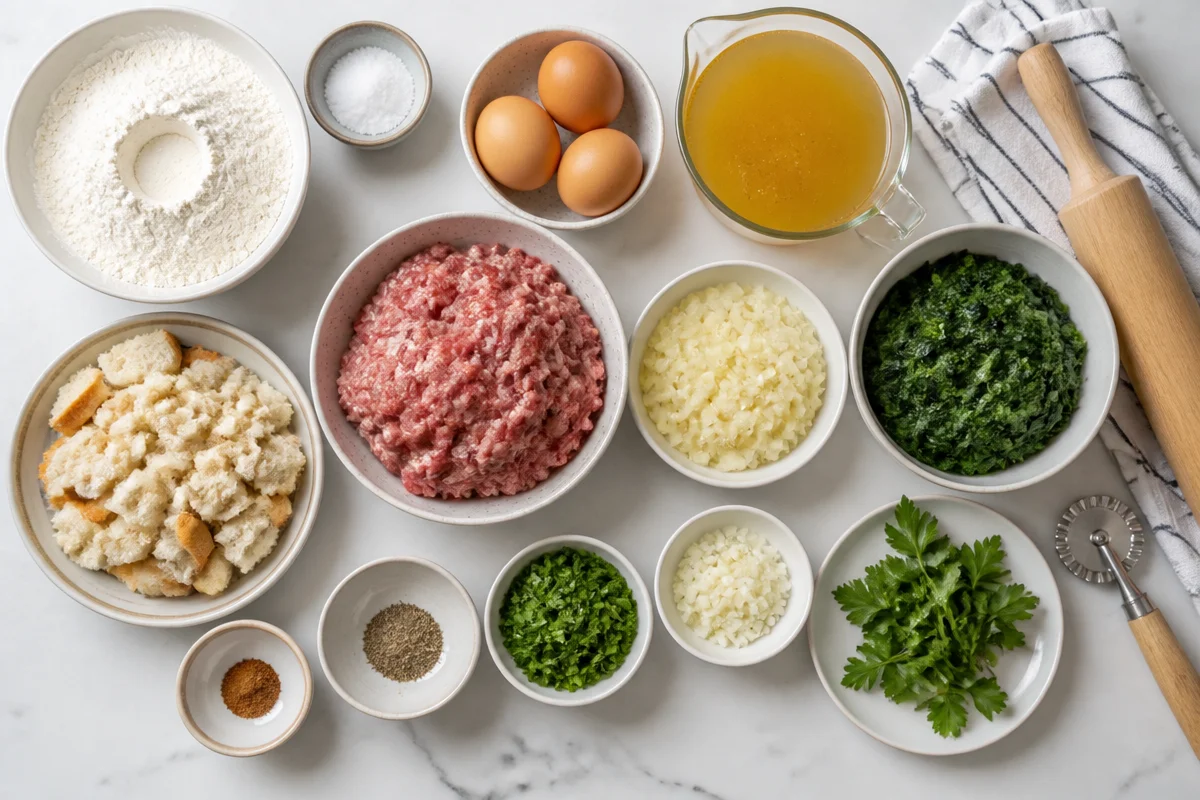
- For the dough: flour, eggs, a pinch of salt, and a little water as needed
- For the filling: ground meat (beef or a beef and pork mix), cooked spinach, onion, parsley, soaked bread or breadcrumbs, one egg, salt, pepper, and a pinch of nutmeg
- For cooking: broth or salted water
;
Simple step by step directions
1) Make the dough. Mix flour, salt, and eggs, then add a splash of water only if it feels dry. Knead until it feels smooth. Cover it and let it rest for about 30 minutes. Resting makes it easier to roll.
2) Make the filling. Cook the onions until soft. Squeeze the spinach so it is not watery. Mix meat, spinach, onions, parsley, egg, and your seasonings. If you are using bread, soak it, squeeze it out, and mix it in. The filling should hold together and not be runny.
3) Roll, fill, and seal. Roll the dough thin on a lightly floured surface. Spoon filling in a line, leaving space around it. Fold the dough over, press out air pockets, and seal the edges. You can cut into large rectangles or whatever shape feels easiest.
4) Simmer gently. This is important. Do not boil them like crazy. Keep the broth or water at a gentle simmer and cook until they float and look set, usually around 10 to 15 minutes depending on size.
5) Optional but so good: pan fry. After simmering, slice them and fry in a little butter until golden. That crispy edge moment is everything.
My biggest tips:
Keep the dough covered while you work so it does not dry out.
Do not overfill or you will fight the sealing step.
Test one first if you are nervous. Cook a single pocket and adjust seasoning after tasting.
If you want to go full comfort food weekend, this is also a great dinner to serve after a classic roast style meal earlier in the week. I usually plan something like authentic German sauerbraten on Sunday, then Maultaschen later because the vibe just fits.
Can You Freeze Maultaschen?
Yes, and honestly it is one of the best reasons to make them. Freezing means future you gets an easy, homemade meal without starting from zero. I do it all the time.
Here is what works best in my kitchen:
Option 1: Freeze after simmering. Let them cool completely, lay them on a tray so they do not stick, freeze until firm, then move to a freezer bag. Reheat gently in broth or pan fry slices from thawed.
Option 2: Freeze raw. Freeze them on a tray first, then bag them. Cook from frozen at a gentle simmer. Just add a few extra minutes.
Either way, label your bag with the date. I try to use them within 2 to 3 months for the best taste and texture, although they are usually gone way sooner than that.
How To Serve Maultaschen
This is where you can make it feel like a different meal every time. Classic German Maultaschen (Swabian Stuffed Pasta Pockets) are super flexible, and I love that you can keep it simple or dress it up.
My favorite serving ideas
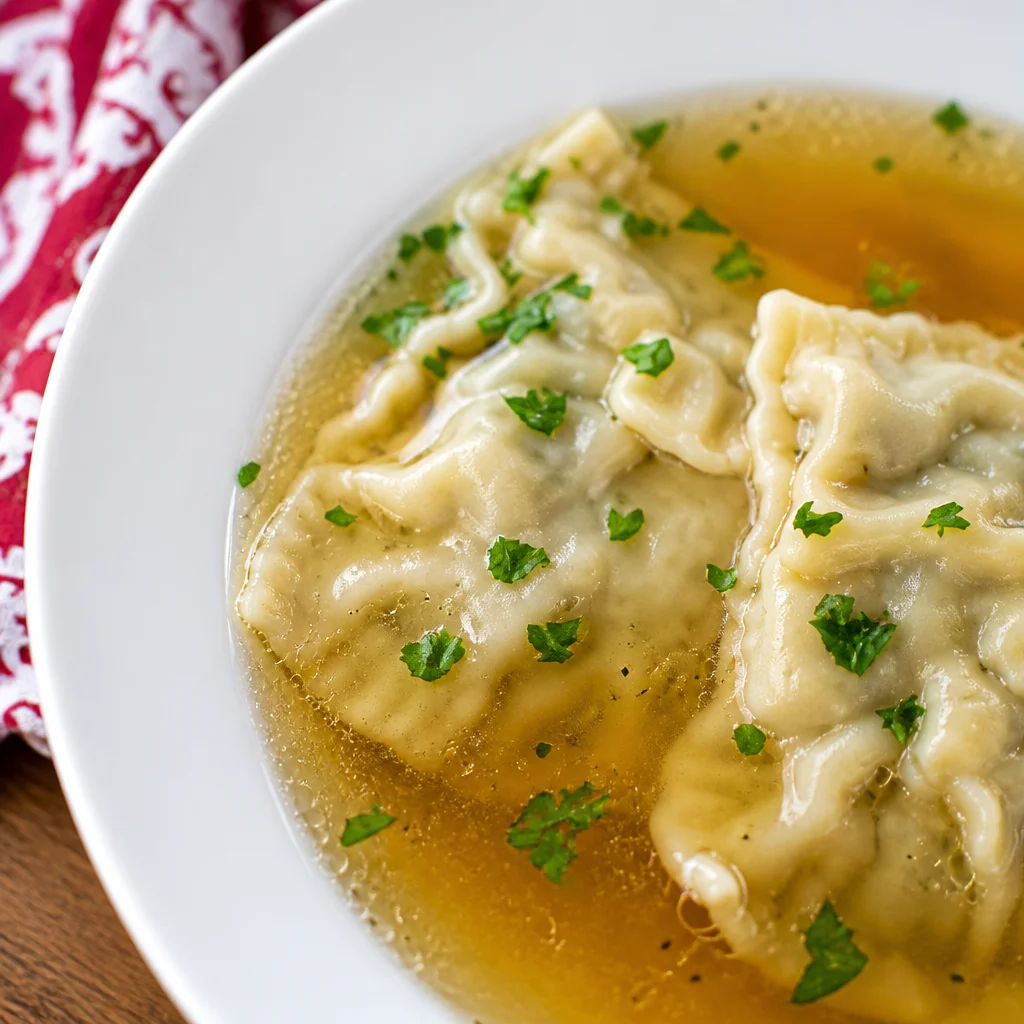
- In broth with chopped chives or parsley. This is the traditional cozy bowl situation.
- Pan fried in butter with onions. Crispy edges, soft middle, very hard to stop eating.
- Sliced in a salad with a tangy dressing. Sounds odd until you try it, then it makes sense.
- With sauerkraut on the side for that punchy contrast.
If you are serving guests, I like the broth version as a starter and the pan fried version as the main. It feels special without being stressful.
Common Questions
Do I have to use meat?
No. You can make them vegetarian with spinach, mushrooms, and breadcrumbs, or try a plant based filling. The texture is different but still really good.
Why did my Maultaschen open while cooking?
Usually it is either too much filling, edges not sealed well, or the water was boiling too hard. Keep it at a gentle simmer and press the seams firmly.
Can I use store bought pasta dough?
Yes, if you find fresh pasta sheets, that can save time. Just make sure they are not too thick so the pockets do not feel heavy.
What is the easiest way to reheat leftovers?
My favorite is slicing and pan frying in a little butter. You can also warm them in broth if you want them soft.
How do I know the filling is seasoned right?
Cook a tiny spoonful of filling in a pan and taste it. It is the easiest no stress way to check before stuffing everything.
A cozy Swabian meal you will want again
If you have been craving a comforting, hands on kitchen day, Classic German Maultaschen (Swabian Stuffed Pasta Pockets) are such a satisfying recipe to try. Make a batch, freeze a few, and you have quick meals ready for those busy nights. If you want to compare methods or see another classic approach, I like this resource on Authentic German Maultaschen – The Daring Gourmet, and if you are in the mood for a meat free version, this one is great too: Vegan Maultaschen with Vegetable Filling (Swabian Pasta Pockets). Now go grab some flour and spinach and make it happen, you are going to feel very proud when those pasta pockets hit the table.
Homemade Maultaschen
Ingredients
Method
- Mix flour, salt, and eggs in a bowl. Add a splash of water only if it feels dry. Knead until smooth.
- Cover the dough and let it rest for about 30 minutes.
- Cook the onions in a pan until soft.
- Squeeze the cooked spinach to remove excess water.
- In a mixing bowl, combine ground meat, spinach, cooked onions, parsley, egg, and seasonings. Add soaked bread (or breadcrumbs) and mix until well combined.
- Roll the dough thinly on a lightly floured surface.
- Spoon filling into a line on the dough, leaving space around it.
- Fold the dough over, press out air pockets, and seal the edges. Cut into large rectangles or desired shapes.
- In a large pot, bring broth or salted water to a gentle simmer.
- Cook the Maultaschen until they float and look set, about 10 to 15 minutes depending on size.
- After simmering, slice Maultaschen and pan fry in a little butter until golden.