
Why You’ll Love This Rye Bread
Have you ever craved something warm and hearty on a chilly weeknight? This rye bread is the perfect solution. It’s a comforting option, great for pairing with soups or enjoying on its own with butter. The unique flavor profile, thanks to rye and caraway seeds, makes it a delightful choice for cozy evenings. You can serve it alongside German bratkartoffeln for a complete meal experience.
The Story Behind This Rye Bread
Growing up, my family often made rye bread during winter months. The warmth emanating from the oven filled our home with a homely aroma that felt like a big hug. I remember helping knead the dough, eagerly waiting for it to rise before the delightful baking began. This recipe revives those cherished memories and is perfect for sharing with loved ones. You may also find Deliciously Simple German Rye Bread Recipe Youll Love useful.
The Only Rye Bread Recipe You Need
This recipe for rye bread is as straightforward as it gets. With just a few ingredients and a little patience, you can create something that tastes better than any store-bought loaf. The combination of rye and bread flour makes for a dense yet flavorful bread that’s versatile enough to accompany various meals.
What Rye Bread Should Taste Like
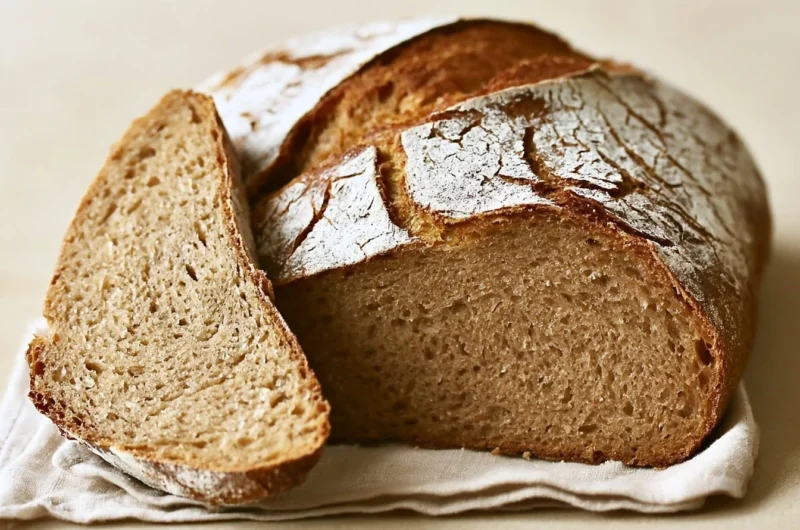
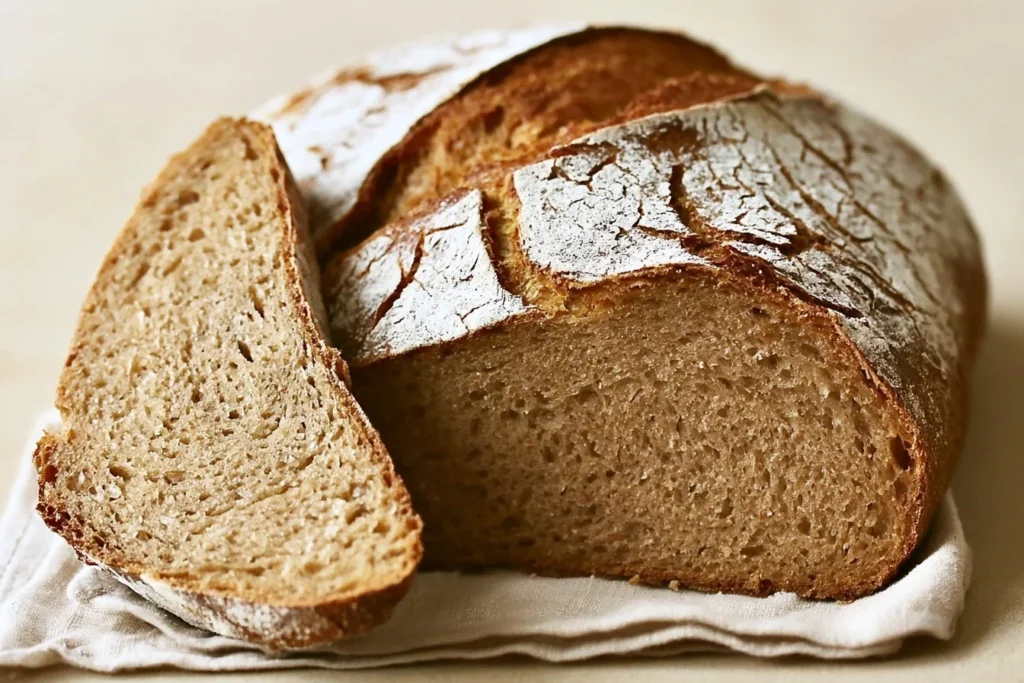
When baked perfectly, rye bread has a robust, nutty flavor with a slightly sweet undertone from the molasses. The texture is dense but soft, with a crisp crust that crackles when you slice into it. Expect the aromatic scent of caraway to waft through your kitchen, inviting everyone to gather around. This is the kind of bread that begs to be slathered in butter or used for a hearty sandwich.
Before You Make Rye Bread, Read This
One common mistake many beginners make is not giving the dough enough time to rise. If you rush this step, the bread won’t develop its full flavor and texture. Patience is key! Allow the dough to rise adequately so it can achieve the texture you desire.
{image_2}
Ingredients
- 2 cups warm water (105°F or 40°C)
- 2 tbsp molasses
- 2 ¼ tsp active dry yeast
- 3 ½ cups rye flour
- 2 cups bread flour
- 1 ½ tsp salt
- 1 tbsp caraway seeds
- Additional flour for dusting
Choosing quality ingredients is essential for this recipe. Opt for organic rye flour and fresh caraway seeds for the best flavor. If you’re looking for substitutes, you can use whole wheat flour instead of rye for a slightly different bread. This recipe can be made vegan by replacing molasses with maple syrup, and you can also explore gluten-free flours if needed.
Step-by-Step Directions
-
In a mixing bowl, combine the warm water, molasses, and active dry yeast. Let it sit for about 5-10 minutes until it becomes frothy. This step shows that the yeast is active, which is crucial for rising.
-
In a large bowl, mix the rye flour, bread flour, salt, and caraway seeds. You’ll notice the earthy aroma of the rye flour coming through, setting the stage for a delightful loaf.
-
Add the frothy yeast mixture to the flour mixture and stir until a shaggy dough forms. The dough should be somewhat tacky but not overly sticky; avoid adding too much flour at this stage.
-
Knead the dough on a floured surface for about 8-10 minutes until it is smooth and elastic. You’ll love the texture change as the dough transforms; it should bounce back slightly when pressed.
-
Place the kneaded dough into a greased bowl, cover it with a damp cloth, and let it rise in a warm area for about 1 ½ hours or until it has doubled in size.
-
Punch the dough down gently to release any air bubbles, and divide it in half. Shape each piece into a round loaf, then place on a baking tray.
-
Cover the loaves once more and allow them to rise for another hour. You’ll notice the loaves puffing up, which is a good sign.
-
Preheat your oven to 450°F (230°C). Once heated, bake the loaves for 35-40 minutes until they are golden brown and sound hollow when tapped on the bottom.
Serving
This rye bread is perfect served warm with a spread of sweet or savory butter. For a comforting winter meal, pair it with venison goulash to create a wholesome experience. You can also slice it for sandwiches, filling them with your choice of ingredients. For an elegant presentation, serve it on a rustic wooden board.
Storage and Reheating
Freshly baked rye bread is best consumed within 3-5 days when stored in an airtight container at room temperature. For longer storage, wrap the bread in foil and freeze it for up to three months. When reheating, wrap the loaf in aluminum foil and warm it in a 350°F (175°C) oven for about 10-15 minutes to revive its crusty exterior.
Pro Tips
- Flavor Technique: Toast the caraway seeds in a dry pan for a few minutes before adding them to the dough; it enhances their flavor significantly.
- Texture Trick: If you prefer a softer crust, brush the loaves with melted butter immediately after baking.
- Common Mistake: Avoid using water that’s too hot when activating your yeast, as it can kill the yeast. Aim for around 105°F (40°C).
- Ingredient Upgrade: Upgrade the flavor by adding seeds, such as sunflower or pumpkin seeds, for added texture.
- Time-Saver: Consider making a double batch and freezing one loaf for a quick meal later.
Variations
Spicy Version
Add a teaspoon of crushed red pepper flakes to the dough for a kicked-up flavor. It’s a great way to spice things up for adventurous eaters.
Lighter and Healthier Version
Swap out half of the rye flour with whole wheat flour for a lighter loaf that’s still hearty. This adjustment will add additional nutrients and fiber.
Vegetarian or Vegan Version
Use maple syrup instead of molasses and replace any non-vegan butter with plant-based alternatives, ensuring everyone can enjoy the bread.
FAQ
Q: Can I make rye bread ahead of time?
A: Yes, you can prepare the dough ahead of time and refrigerate it after the first rise. Just allow it to come to room temperature before shaping.
Q: How long does rye bread last?
A: Properly stored, rye bread will last about 3-5 days at room temperature. In the freezer, it can last for up to three months.
Q: What’s the best substitution for rye flour?
A: Whole wheat flour can be used as a substitute, but the texture and flavor will be different.
Q: Why is my rye bread too dense?
A: This usually means the dough didn’t rise enough. Make sure to give it ample time to rise, allowing gluten to develop.
Q: How do I keep my bread from burning?
A: If the crust is getting too dark, you can place aluminum foil over the top of the loaves during the last part of baking.
Q: What’s the easiest way to slice rye bread?
A: Use a serrated knife and ensure it’s completely cooled to get even, clean slices.
Conclusion
Baking your own rye bread can be a satisfying experience that brings comfort to your kitchen. For a delightful pairing, consider trying a hearty Herbed White Bean and Sausage Soup with Swiss Chard or explore more Winter Soup Recipes for Cold Weather. Once you make it yourself, you’ll find yourself coming back to this recipe time and again!
Rye Bread
Ingredients
Method
- In a mixing bowl, combine the warm water, molasses, and active dry yeast. Let it sit for about 5-10 minutes until it becomes frothy.
- In a large bowl, mix the rye flour, bread flour, salt, and caraway seeds.
- Add the frothy yeast mixture to the flour mixture and stir until a shaggy dough forms.
- Knead the dough on a floured surface for about 8-10 minutes until it is smooth and elastic.
- Place the kneaded dough into a greased bowl, cover it with a damp cloth, and let it rise in a warm area for about 1 1/2 hours or until it has doubled in size.
- Punch the dough down gently to release any air bubbles, and divide it in half. Shape each piece into a round loaf, then place on a baking tray.
- Cover the loaves once more and allow them to rise for another hour.
- Preheat your oven to 450°F (230°C). Once heated, bake the loaves for 35-40 minutes until they are golden brown and sound hollow when tapped on the bottom.