
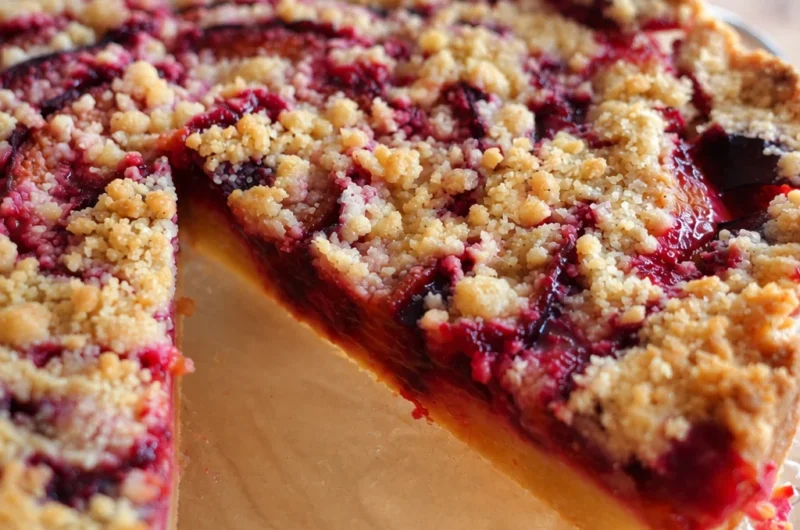
Classic German Zwetschgenkuchen (Plum Sheet Cake) is the kind of bake you pull out when you want something cozy but not fussy. You know those days when you have fruit on the counter that is getting a little too soft, and you want a dessert that feels like home? This is exactly that. It is sweet, a little tangy, and it makes your kitchen smell like a bakery without you doing anything complicated. If you have never made a German plum cake before, don’t worry, I’ll walk you through it like we are baking side by side. 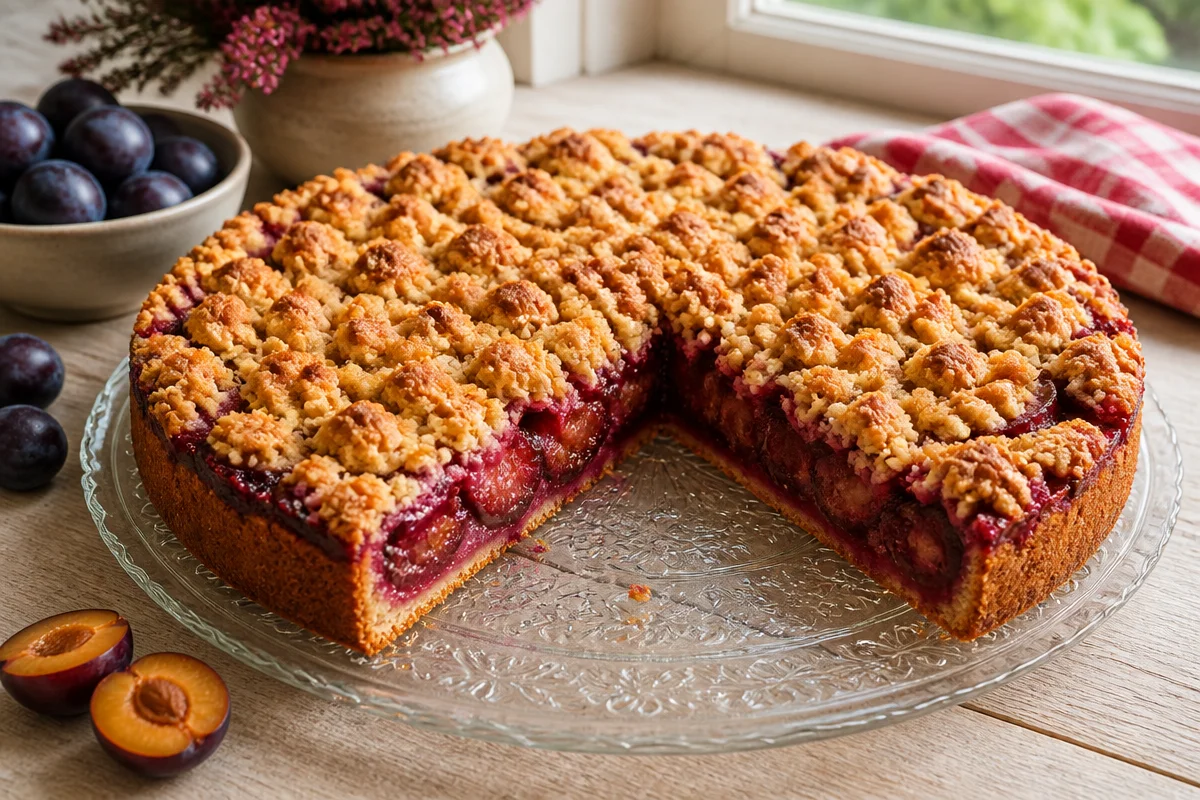
Which Plums Do I Need to Make German Plum Cake?
The short answer is: use the right kind of plums if you can. Traditional Classic German Zwetschgenkuchen (Plum Sheet Cake) is made with Zwetschgen, which are a European plum. They are smaller, more oval, and not as watery as big round plums. That matters because this cake bakes best when the fruit holds its shape and doesn’t flood the dough.
If you can find Italian prune plums at the store, grab them. They are usually the closest match in the US and Canada. When they bake, they get jammy and rich instead of turning into soup.
Quick plum shopping checklist
When I’m standing in the produce aisle, I look for these signs:
- Ripe but still firm: they should give slightly when pressed, not feel mushy.
- Deep purple skin with a dusty look: that natural bloom is a good sign.
- Not dripping juice in the container: too juicy usually means they are overripe.
One more tip: taste a slice before baking. If your plums are very tart, you may want a touch more sugar on top. If they are super sweet, go easy on the sugar so the cake doesn’t turn cloying.
“I made this with Italian prune plums and it tasted exactly like the cake my Oma used to bake in late summer. The dough was easy and the plums baked perfectly.”
Can I Use Other Fruits?
Yes, you totally can. Will it still be Classic German Zwetschgenkuchen (Plum Sheet Cake) if you swap the fruit? Purists might side eye you a little, but your kitchen, your rules. I’ve done versions when plums were not in season, and honestly, it is still really good.
The biggest thing is fruit moisture. Juicy fruit can make the base soggy if you pile it on without thinking. If you are switching things up, here are options that behave nicely in the oven:
Good swaps (similar bake and texture):
Apricots, sliced peaches, nectarines, or even thick slices of pears. Apples work too, but I like to slice them thin and sprinkle with cinnamon and a little sugar so they soften well.
Fruit that needs extra care:
Berries are delicious but very wet. If you use them, toss them with a spoon of sugar and a spoon of cornstarch first, and don’t overload the cake.
And if you want a full German meal vibe, you can make this cake for dessert after a cozy Sunday dinner. I do that sometimes when I cook something traditional like an authentic German Sauerbraten at home. It’s a whole comfort food moment, and the plum cake feels like the perfect ending.
Can You Freeze German Plum Cake?
Yes, and it freezes better than you might expect. I love baking Classic German Zwetschgenkuchen (Plum Sheet Cake) on a quiet afternoon, then stashing a few slices away for future me. Future me is always grateful.
Here is how to freeze it so it still tastes fresh:
Freezing tips that actually work:
Let the cake cool completely. Slice it into portions. Wrap each piece tightly in plastic wrap, then add a layer of foil or put slices into a freezer bag. This double layer helps prevent freezer taste.
How long it lasts:
It’s best within 2 to 3 months. After that, it is still safe, but the texture starts to fade.
How to thaw:
Thaw slices at room temp for about an hour. If you like it warm, pop a slice in the oven at a low heat for 5 to 8 minutes. The smell alone will make you impatient.
One little note: if your cake has a heavy streusel topping, it can soften after freezing. Warming it in the oven helps bring back a bit of that texture.
German Plum Cake Recipe
This is my go to version when I want something classic and easy. It’s the kind of bake you can do with a cup of coffee next to you and a playlist on in the background. I usually make it in a sheet pan style, which is why Classic German Zwetschgenkuchen (Plum Sheet Cake) is so great for sharing. It feeds a group without you babysitting it.
What you will need
- Pan: a 9×13 inch baking pan, or a similar sized sheet pan with sides
- Mixing bowl, wooden spoon or hand mixer
- Knife and cutting board for the plums
Ingredients
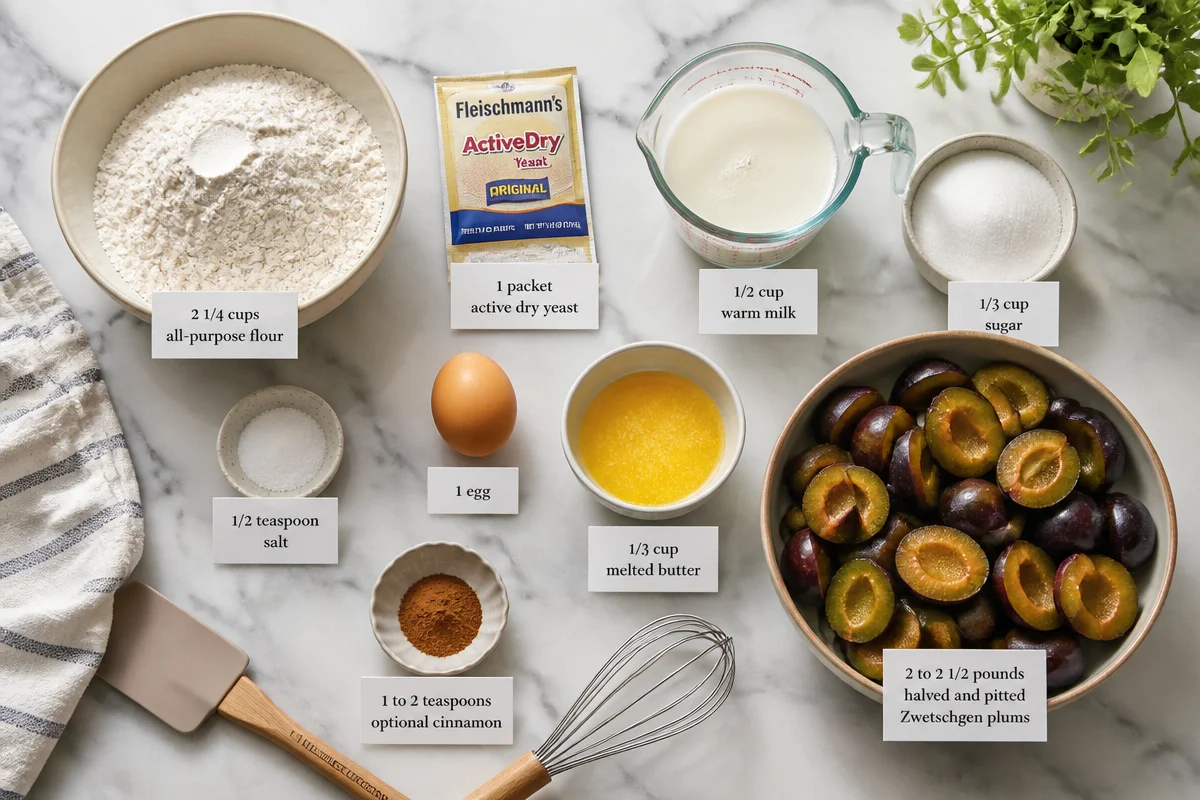
- 2 1/4 cups all purpose flour
- 1 packet active dry yeast (about 2 1/4 teaspoons)
- 1/2 cup warm milk (not hot)
- 1/3 cup sugar (plus 1 to 2 tablespoons for sprinkling if your plums are tart)
- 1/2 teaspoon salt
- 1 egg
- 1/3 cup melted butter
- 2 to 2 1/2 pounds Zwetschgen or Italian prune plums, halved and pitted
- Optional but so good: 1 to 2 teaspoons cinnamon
Directions
1) In a small bowl, stir the yeast into the warm milk with a pinch of the sugar. Let it sit for 5 to 10 minutes until it looks foamy.
2) In a big bowl, mix flour, remaining sugar, and salt. Add the egg, melted butter, and the yeast milk. Stir until a soft dough forms.
3) Cover the bowl and let the dough rise in a warm spot for about 45 to 60 minutes. It should look puffier, not necessarily doubled perfectly. Real life happens and it will still bake up nicely.
4) Grease your pan. Press the dough into the pan with your hands. If it springs back, wait 5 minutes and try again. Dough needs a little patience sometimes.
5) Arrange the plums on top, cut side up, slightly overlapping in rows. This part is oddly calming. Sprinkle with a little sugar and cinnamon if using.
6) Bake at 350 F (175 C) for about 35 to 45 minutes, until the edges are golden and the fruit looks soft and glossy.
7) Cool for at least 15 minutes before slicing. It’s easier to cut when it sets a bit.
How I like to serve it: slightly warm with a scoop of vanilla ice cream, or just plain with coffee. In Germany, people often go the whipped cream route, and it’s hard to argue with that.
If you’re planning a German themed afternoon, I love pairing baking days with something savory too. Make these authentic German soft pretzels at home earlier in the day, and then finish with plum cake later. It feels festive but still relaxed.
Related Posts
If you enjoyed this Classic German Zwetschgenkuchen (Plum Sheet Cake) vibe, you’re probably the kind of person who likes simple, traditional bakes and comfort food dinners that don’t require a culinary degree.
Two of my other favorites to cook when I want that cozy German kitchen feeling are homemade soft pretzels and Sauerbraten. They’re very different, but both bring that warm, familiar, sit down and enjoy your food kind of mood.
Common Questions
Do I have to peel the plums?
Nope. The skin softens in the oven and helps the slices hold together. Plus, the color is gorgeous.
Why is my cake base soggy?
This usually happens if the plums are extra juicy or packed too tightly. Try using firmer plums next time, and don’t overload the fruit layer.
Can I make it without yeast?
You can, but it becomes a different cake. Yeast dough gives that classic bakery style base. If you want a quick version, you can use a simple butter cake batter, but the texture will change.
How do I store leftovers?
Cover and keep it at room temperature for a day, then move it to the fridge for up to 3 days. Bring slices to room temp before eating for the best flavor.
Can I add streusel on top?
Yes, and it’s amazing. A simple mix of flour, butter, sugar, and a pinch of cinnamon works great. Add it during the last 15 minutes if you want it extra crisp.
A sweet little send off
If you’ve been wanting a dependable bake that feels homey and low stress, Classic German Zwetschgenkuchen (Plum Sheet Cake) is a great place to start. It’s simple, it feeds a crowd, and it tastes even better the next day with coffee. If you want to compare notes, these guides are also worth a look: German Plum Cake (Zwetschgenkuchen) – The Daring Gourmet and How to make a German Plum Cake Zwetschgenkuchen (with …. Now go grab those plums, clear a little counter space, and bake it once just for the joy of it.
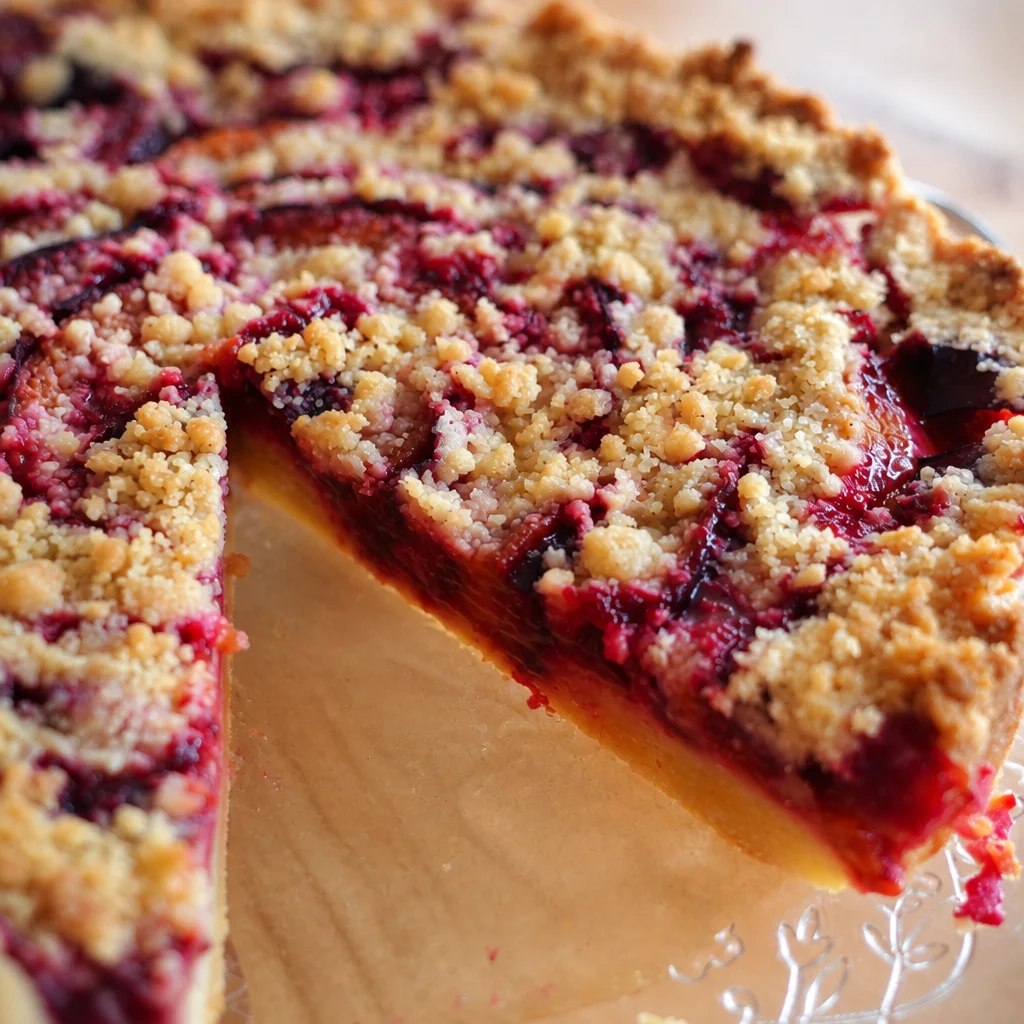
Classic German Zwetschgenkuchen
Ingredients
Method
- In a small bowl, stir the yeast into the warm milk with a pinch of the sugar. Let it sit for 5 to 10 minutes until it looks foamy.
- In a large bowl, mix flour, remaining sugar, and salt. Add the egg, melted butter, and the yeast milk. Stir until a soft dough forms.
- Cover the bowl and let the dough rise in a warm spot for about 45 to 60 minutes. It should look puffier.
- Preheat the oven to 350°F (175°C) and grease your baking pan.
- Press the dough into the pan with your hands. If it springs back, wait 5 minutes and try again.
- Arrange the plums on top, cut side up, slightly overlapping in rows. Sprinkle with a little sugar and cinnamon if using.
- Bake for about 35 to 45 minutes, until the edges are golden and the fruit looks soft and glossy.
- Cool for at least 15 minutes before slicing.