
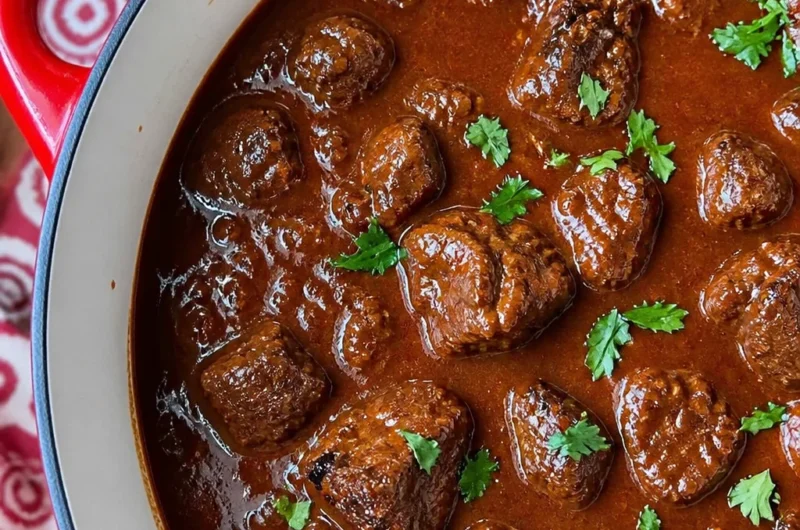
german beef goulash recipe nights happen at my place when it is cold outside, everyone is hungry, and I do not feel like babysitting a complicated dinner. You know the vibe: you want something cozy that makes the kitchen smell amazing, but you also want it to be simple enough to pull off on a weeknight. This is the kind of meal that feels like a warm blanket, especially once the sauce gets thick and the beef turns tender. I make a big pot, and somehow it tastes even better the next day. If you have been craving a hearty bowl of comfort, you are in the right spot.
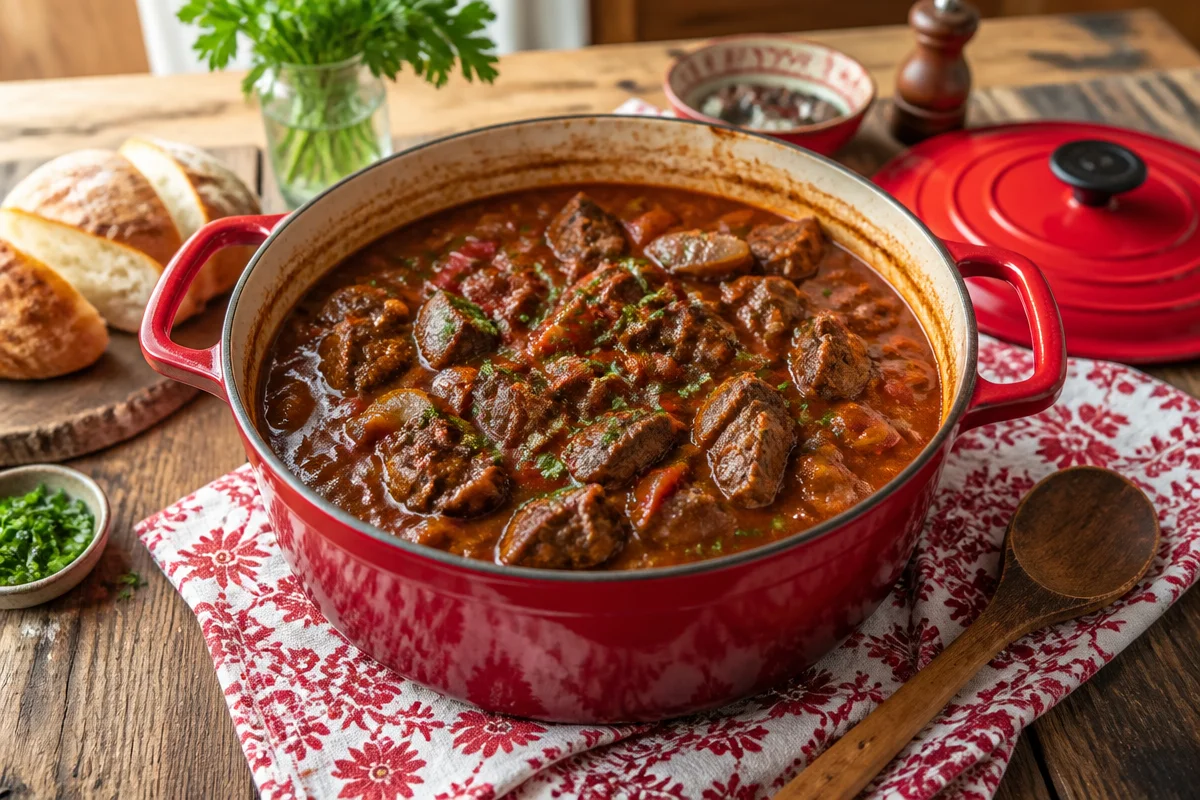
German Goulash vs Hungarian Goulash
People ask this a lot, and honestly I love that they do, because it means more goulash conversations in the world. Both versions are paprika friendly and totally comforting, but they have different personalities.
Hungarian goulash is often more like a soup, and paprika is the main star. German goulash, especially the way I learned it, is more of a thick stew with a rich gravy vibe. It leans into onions, beef, and slow cooking until everything melts together.
If you are the kind of person who wants a spoonable, saucy bowl you can mop up with bread, the german beef goulash recipe style is probably your match. And if you like a brothier bowl with a bigger paprika punch, you may prefer Hungarian style. Either way, nobody is losing here.
Quick practical difference when you are shopping: German versions often use a mix of sweet paprika plus a little tomato paste for depth, while Hungarian versions may go heavier on paprika varieties and keep things soupier.
When I am planning a full cozy dinner night, I will sometimes start with something simple earlier in the day like this easy avocado toast recipe, then later go all in on goulash for dinner. It is a nice balance if you are pacing yourself.
What to Serve with German Goulash
German goulash is pretty flexible, which I appreciate because I do not always have the same sides in the house. The goal is simple: you want something that loves sauce.
Here are my go to ideas. Pick one and you are set.
- Egg noodles or spaetzle for the classic cozy route
- Boiled potatoes or mashed potatoes if you want it extra hearty
- Crusty bread for dunking, because the sauce deserves it
- Red cabbage or a simple cucumber salad to add something fresh
- Steamed green beans when I want a quick veggie side
My favorite is noodles because they soak up the sauce and make every bite feel like comfort food. If you are cooking for friends, set out a bowl of sour cream, chopped parsley, and maybe some pickles. People love customizing their bowl.
Also, if you are a pasta person in general, you should absolutely save this pappardelle with beef ragu for another night. It hits that same cozy, slow cooked meat sauce craving, just in a different direction.
Ingredients for German Goulash
This is where the magic starts, and it is not fancy. The trick is using enough onions and giving everything time. I know onions can feel like a lot when you are chopping, but they basically melt into the sauce and make it taste like you worked way harder than you did.
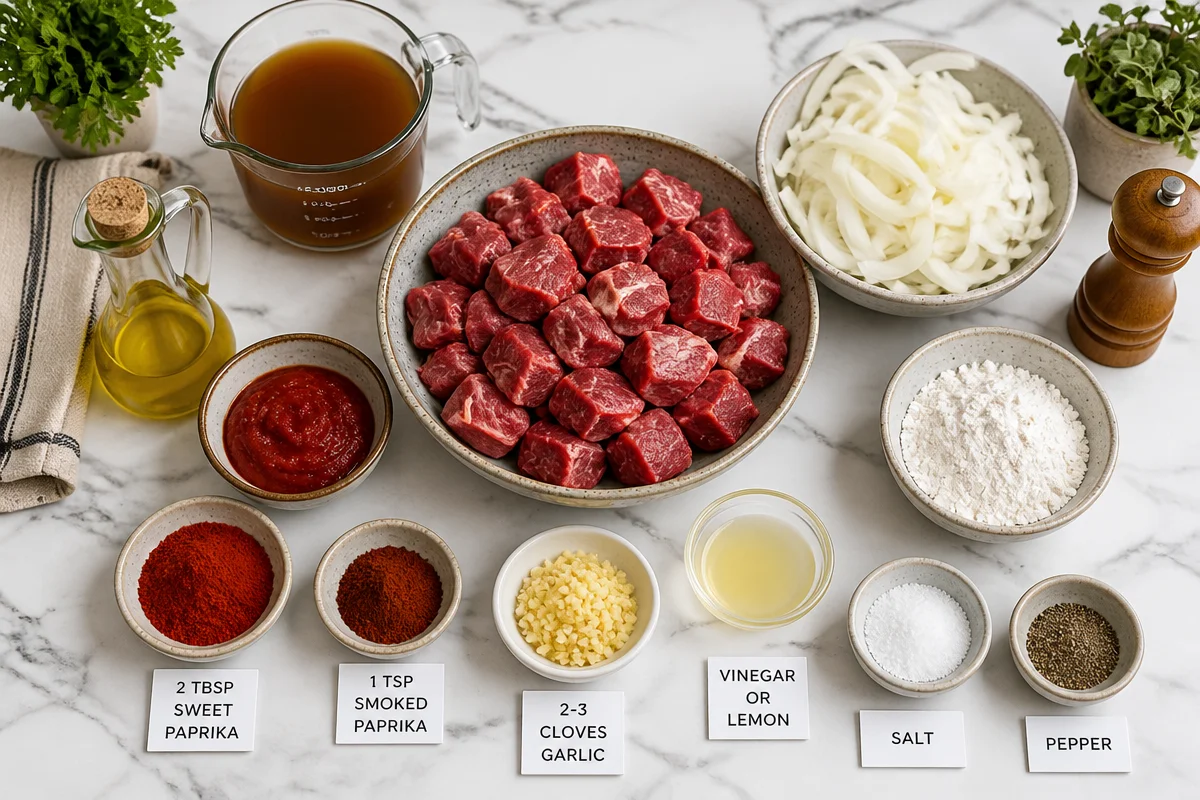
Here is what I use for my german beef goulash recipe at home. This makes about 4 to 6 servings depending on how hungry everyone is.
- 2 pounds beef chuck, cut into bite sized chunks
- 3 large onions, sliced or chopped (yes, really)
- 2 tablespoons oil or butter
- 3 tablespoons tomato paste
- 2 tablespoons sweet paprika
- 1 teaspoon smoked paprika (optional but I love it)
- 2 to 3 cloves garlic, minced
- 2 cups beef broth (more if needed)
- 1 to 2 tablespoons flour for thickening (optional)
- 1 tablespoon vinegar or a squeeze of lemon (small but important)
- Salt and pepper
- Optional: a pinch of caraway seeds or marjoram if you like that traditional flavor
A quick tip from my own trial and error: do not buy super lean stew meat if you can help it. Beef chuck has the right amount of fat and connective tissue, and that is exactly what turns tender after simmering. Lean cuts can end up kind of dry and sad.
If you need to adjust for what you have, you can swap broth for water in a pinch, but broth gives you a deeper flavor. Tomato paste is worth keeping, because it adds color and a rich taste without making it overly tomatoey.
I made this for my family during a snowy weekend and it disappeared fast. The onions completely melted into the sauce and the beef was so tender. This one is going into our regular rotation.
Step-by-step Instructions
This is a low stress cooking process. You build flavor at the beginning, then let the pot do the work. I like to put on something cozy in the background, clean as I go, and just let it simmer.
1) Brown the beef and start the flavor base
Pat the beef dry and season it with salt and pepper. Heat oil in a heavy pot and brown the beef in batches. Do not crowd the pan or it will steam instead of brown. Once browned, move the beef to a plate.
2) Cook the onions until soft and golden
In the same pot, add the onions. Cook them on medium heat and stir often. They will look like too much at first, but they shrink down. If the bottom gets a little brown, that is flavor. Just keep it from burning.
3) Add paprika and tomato paste the right way
Stir in the garlic, tomato paste, and paprika. Keep the heat a bit lower here because paprika can taste bitter if it scorches. I usually cook this for about 30 seconds to 1 minute, just until it smells warm and toasty.
4) Simmer until tender
Add the beef back in and pour in the broth. Scrape up any browned bits from the bottom. Bring it to a gentle simmer, cover, and cook on low for about 1 and a half to 2 hours. Stir every so often. The sauce should be thick and the beef should feel tender when you poke it with a fork.
5) Finish and thicken if you want
Taste the sauce and adjust salt and pepper. Add a splash of vinegar or a squeeze of lemon to wake everything up. If you want it thicker, whisk flour with a little cold water and stir it in, then simmer for 5 to 10 minutes.
My personal rule: if the sauce coats a spoon and looks glossy, it is ready. Serve it hot with noodles or potatoes, and do not forget a little chopped parsley if you have it.
One more real life tip: this tastes even better the next day, so it is perfect for meal prep. If you are making it ahead, cool it down, stash it in the fridge, and reheat gently with a splash of broth.
History of Goulash
I am not going to pretend I am a food historian, but I do love the story behind this dish. Goulash started as a practical meal in Central Europe, linked to Hungarian herdsmen who cooked meat outdoors. Over time, it traveled across borders and kitchens, and each region made it their own.
In Germany, goulash became more of a thick, stew like comfort food. It shows up at family tables, in cozy pubs, and at gatherings where you want something warm and filling. It is the kind of recipe that gets passed along, tweaked a little, and loved for generations.
That is part of why I adore making this german beef goulash recipe. It feels like you are cooking something with roots, not just throwing dinner together. And yet it still fits into normal life with normal ingredients.
Common Questions
Can I make German goulash in a slow cooker?
Yes. Brown the beef and onions first if you can, then cook on low for 7 to 8 hours. Stir in the vinegar or lemon at the end.
What is the best cut of beef for goulash?
Beef chuck is my favorite because it turns tender and stays juicy. Stew meat can work, but it varies a lot depending on what the butcher used.
How do I keep paprika from tasting bitter?
Do not let it burn. Add it after the onions soften, lower the heat, and stir it in briefly before adding broth.
Can I freeze leftovers?
Absolutely. Let it cool, portion it out, and freeze for up to 3 months. Thaw in the fridge overnight and reheat gently.
My sauce is too thin. What should I do?
Simmer it uncovered a bit longer. If you are in a hurry, thicken with a small flour slurry and simmer a few minutes.
Grab a Bowl and Make It Cozy
If you have been looking for a dinner that feels comforting without being complicated, this german beef goulash recipe is the one I always come back to. It is rich, hearty, and honestly pretty forgiving if you need to adjust things based on what is in your pantry. If you want another solid reference point, I have also enjoyed reading Authentic German Goulash (Rindergulasch) – The Daring Gourmet and How to Make German Goulash from Scratch – GettyStewart.com because they both share helpful details and slightly different approaches. Now go grab a pot, take your time with the onions, and treat yourself to a dinner that makes the whole house smell like something good is happening.
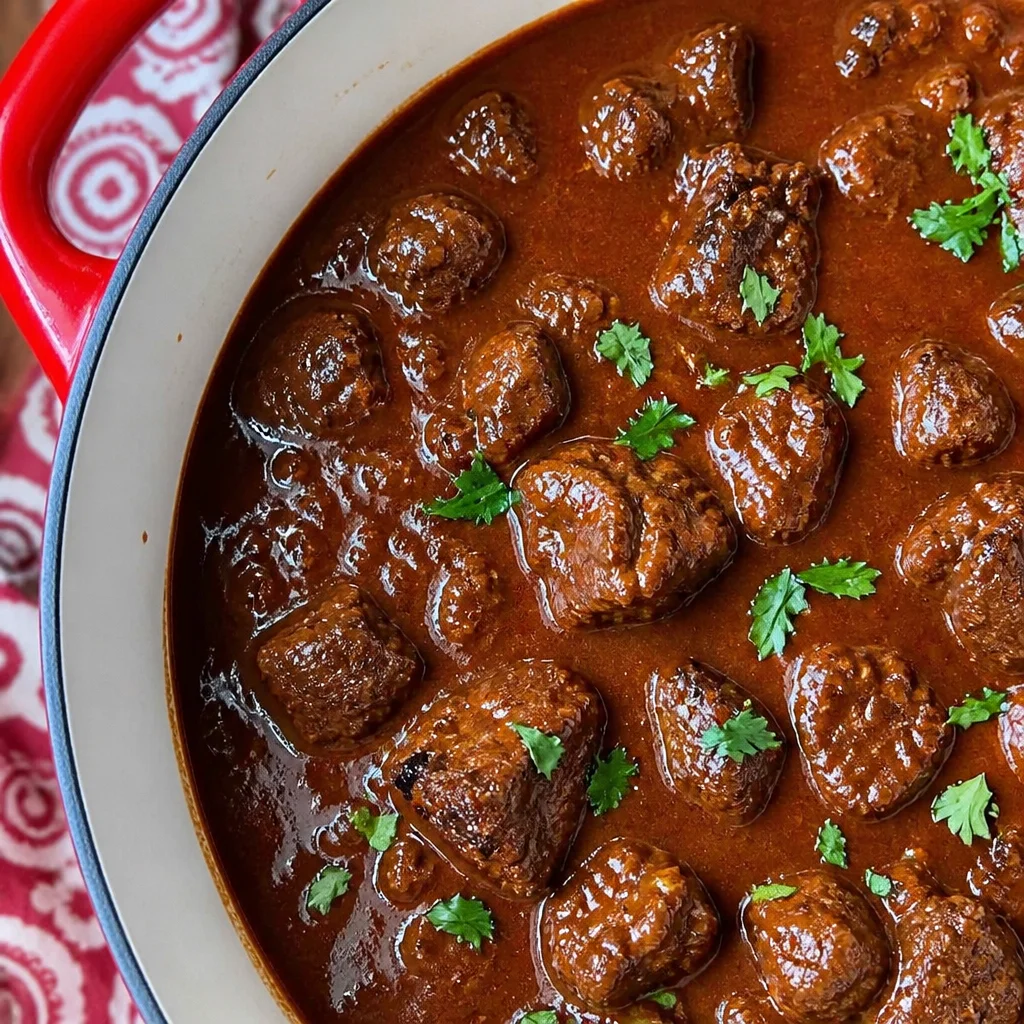
German Beef Goulash
Ingredients
Method
- Pat the beef dry and season with salt and pepper.
- Heat oil in a heavy pot and brown the beef in batches. Do not crowd the pan.
- Once browned, move the beef to a plate. In the same pot, add the onions.
- Cook the onions on medium heat and stir often until soft and golden.
- Stir in the garlic, tomato paste, and paprika while keeping the heat low.
- Add the beef back in and pour in the broth.
- Bring to a gentle simmer, cover, and cook on low for about 1.5 to 2 hours.
- Taste the sauce, adjust salt and pepper, and add vinegar or lemon juice.
- If needed, whisk flour with a little cold water and stir into the pot, then simmer for an additional 5 to 10 minutes.





Pingback: Glazed German Red Cabbage – German Bites