
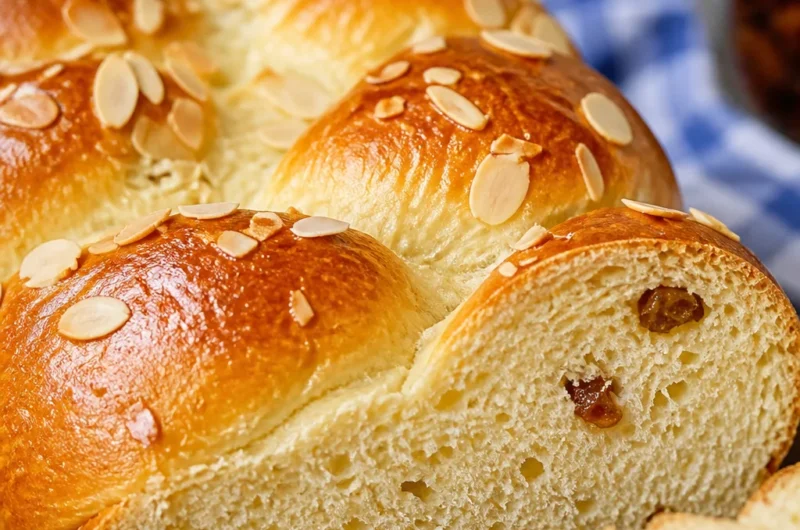
Authentic German Rosinenbrötchen (Raisin Buns) are the answer to that very specific craving when you want something cozy with your coffee, but you do not want a super fussy baking project. You know the feeling, it is Sunday morning, you are in socks, the kitchen is quiet, and you just want warm bread that smells like home. These little raisin buns are soft, lightly sweet, and the kind of treat that makes the whole place feel welcoming. I make them when friends are coming over, and also when it is just me and I need a small win. If you have ever had a raisin bun from a German bakery, this is the vibe we are going for, tender and comforting, not dry and not overly sugary.
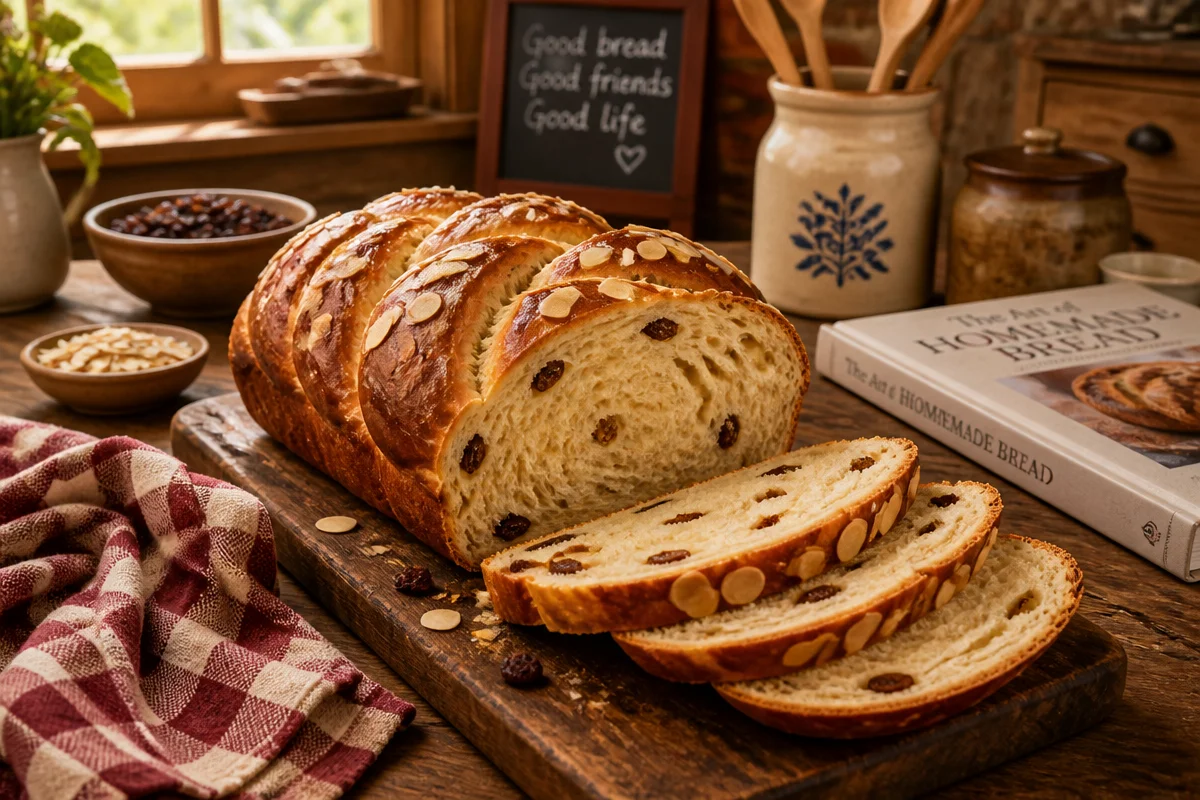
Oma’s Recipe Rundown
When I say “Oma’s style,” I mean simple ingredients, no drama, and a method that makes sense even if you are not a confident baker yet. These Authentic German Rosinenbrötchen (Raisin Buns) are a slightly sweet yeast dough with raisins tucked inside, shaped into small rolls, and baked until the tops are golden. I like brushing them with a little melted butter at the end because it keeps the crust soft and adds that bakery smell.
The dough is enriched, which is just a fancy way of saying it has milk, butter, and egg to make it tender. The sweetness is gentle. You can always add more sugar, but I think the raisins do a lot of heavy lifting here.
Ingredients and what you will need
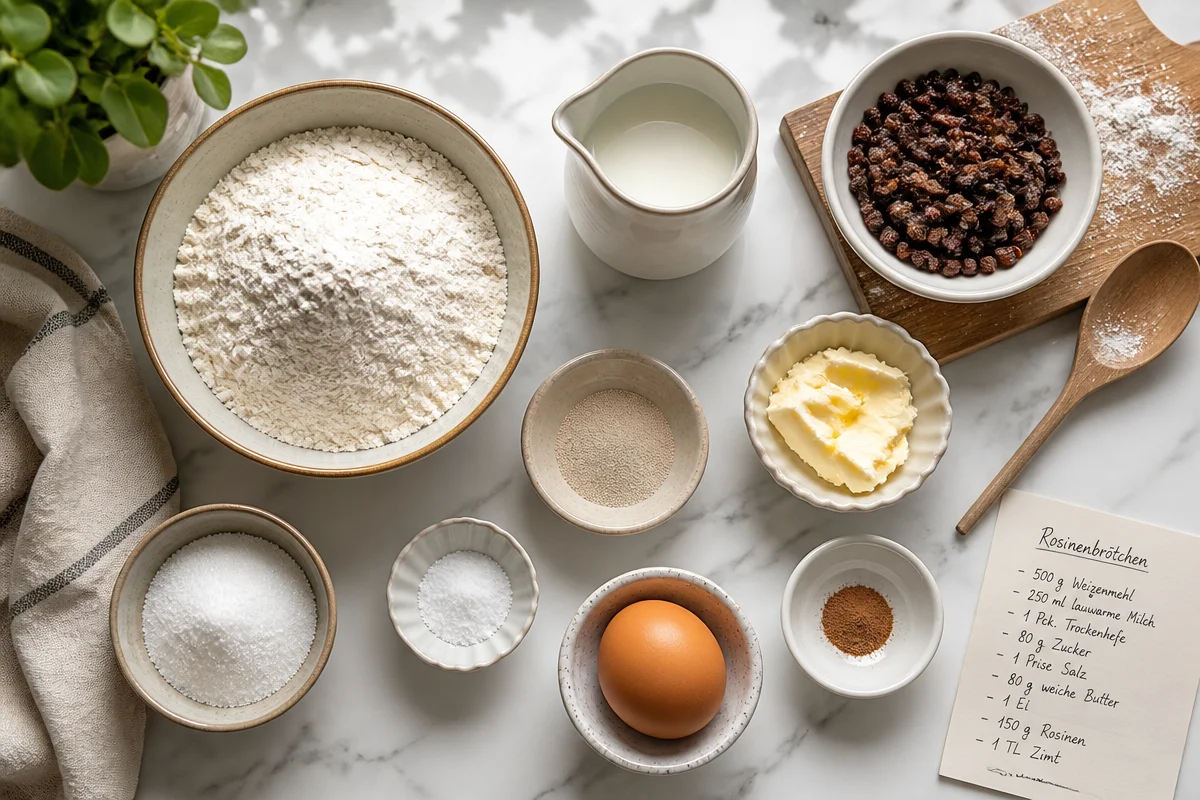
- All purpose flour: 500 g, plus a little extra for dusting
- Milk: 250 ml, lukewarm
- Instant yeast: 7 g (or active dry yeast, see tips below)
- Sugar: 60 g
- Salt: 1 tsp
- Butter: 80 g, softened (plus 1 tbsp melted for brushing)
- Egg: 1 large
- Raisins: 150 to 180 g
- Optional: 1 tsp vanilla sugar or a little lemon zest
- Optional: 1 egg yolk plus 1 tsp milk for egg wash
Helpful tools: a large bowl, a baking sheet, parchment paper, and something to cover the dough while it rises. If you have a kitchen scale, use it. It makes baking so much easier.
Quick side note: if you love classic German baking, you might also want to peek at this Authentic German Bienenstich (Bee Sting Cake) recipe. It is a totally different project, but it has that same comforting bakery feel.
Directions (the straightforward way)
1) Plump the raisins (optional but worth it). Put raisins in a bowl and cover with warm water for 10 minutes, then drain well and pat dry. This helps keep them juicy inside the buns.
2) Make the dough. In a big bowl, mix lukewarm milk, yeast, and a spoon of the sugar. Let it sit for 5 minutes if you want to double check your yeast is awake. Add flour, remaining sugar, salt, egg, and softened butter. Mix until a dough forms.
3) Knead. Knead by hand or mixer until the dough looks smooth and feels elastic, about 8 to 10 minutes. It should be soft and slightly tacky, not a stiff brick. If it is super sticky, add a teaspoon of flour at a time.
4) Add raisins. Flatten the dough a bit, scatter over raisins, then fold and knead gently until they are spread out. Some will try to escape. Just push them back in.
5) First rise. Cover the bowl and let the dough rise until doubled, about 60 to 90 minutes depending on your kitchen.
6) Shape. Punch down the dough and divide into 12 equal pieces. Shape into smooth balls and place on a lined baking sheet with a little space between them.
7) Second rise. Cover again and let them puff up for 30 to 45 minutes. They should look pillowy.
8) Bake. Preheat oven to 190 C (375 F). Brush with egg wash if using. Bake 15 to 18 minutes until golden brown. If you tap one, it should sound a little hollow.
9) Finish. Brush with melted butter right after baking for a soft top. Cool for at least 10 minutes before tearing in, unless you enjoy burning your fingers like I always do.
“I baked these for my kids and they said they taste like the ones from the German bakery near my grandma’s house. Soft, not too sweet, and perfect with butter.”
Top Tips for Best Results
I have made these buns enough times to learn a few things the hard way. Here is the good news: the recipe is forgiving. But these tips will get you closer to that bakery soft bite.
Watch the milk temperature. Lukewarm is what you want. If it is too hot, it can mess with the yeast. If you can comfortably dip your finger in, you are good.
Do not drown the dough in flour. A soft dough makes soft buns. Add flour slowly only if it is truly unmanageable. Sticky is normal at first.
Raisins matter. If your raisins are very dry, soak them. Also, pat them dry before adding so your dough does not get wet and slippery.
Let them rise until they look right. The clock is a guideline. If your kitchen is cool, give it more time. If it is warm, check earlier.
Want that classic look? Egg wash gives shine. Butter at the end gives softness. You can do both, or just butter if you prefer a matte top.
If you are building a German Sunday table, these buns also sit nicely next to savory dishes. This Authentic German Sauerbraten recipe is obviously more of a dinner thing, but it is the same kind of old school comfort food energy.
Use Your Bread Machine
If you have a bread machine, you can absolutely use it to do the heavy lifting for the dough part. I still like shaping and baking in the oven because you get that bun shape and the pretty golden tops, but the machine makes the process feel almost too easy.
Here is the simple approach:
1) Add wet ingredients first: milk, egg, softened butter.
2) Add dry ingredients: flour, sugar, salt. Make a small well for the yeast and add it on top, keeping it away from the salt.
3) Use the dough setting. After about 5 minutes of mixing, peek at the dough. If it looks dry and crumbly, add a teaspoon of milk. If it looks like soup, add a teaspoon of flour.
4) Add raisins when your machine beeps for mix ins. If it does not beep, you can add them after the first knead, once the dough has come together.
5) When the dough cycle is done, shape into buns, do the second rise on the baking sheet, then bake as usual.
This method works great when you want Authentic German Rosinenbrötchen (Raisin Buns) on a weekday, because you can do other things while the machine handles the kneading.
Storing the sweet potato raisin buns
Yes, this header says “sweet potato raisin buns,” and I know that sounds random. I have seen people call all kinds of soft raisin buns that, especially when they are extra fluffy. This recipe is the classic German style though, no sweet potato needed. But storage wise, the advice still applies because soft buns are soft buns.
These taste best the day you bake them, but you have options:
Room temperature: Keep them in a sealed container or bag for up to 2 days. If you leave them out uncovered, they dry out fast.
Freeze: Freeze the cooled buns in a freezer bag for up to 2 months. Thaw at room temp, then warm for a few minutes in the oven at 160 C (325 F), or slice and toast gently.
Revive leftovers: My favorite trick is to microwave one bun for 10 seconds, then split it and toast the inside. Add butter. Suddenly it is exciting again.
If you are serving these at breakfast, I love them with butter and jam, or even with cream cheese. If you want to lean more dessert, warm bun plus a little honey is very hard to beat.
If you like this recipe, then try one of these baking recipes
If you enjoyed making Authentic German Rosinenbrötchen (Raisin Buns), you are officially in your German baking era. Welcome. The nice thing is that a lot of traditional recipes share the same cozy foundation: butter, yeast, patience, and the smell of something good in the oven.
For a celebratory cake that still feels classic, this Baking Authentic German Frankfurter Kranz Buttercream Cake is a fun one to try when you want a real project.
And if you want to keep it in the raisin family but change the format, a loaf style German raisin bread can be a great next step too. I am mentioning that because once you buy a bag of raisins, somehow it is always bigger than you remembered.
Common Questions
Can I use active dry yeast instead of instant yeast?
Yes. Dissolve it in the lukewarm milk with a bit of sugar and wait until it looks foamy, usually 5 to 10 minutes, then continue.
Why did my buns turn out dense?
Usually it is one of three things: the dough needed more rising time, the milk was too hot and weakened the yeast, or too much flour was added. Next time, keep the dough softer and let it rise until it looks doubled, not just until the timer says so.
Do I have to soak the raisins?
No, but it helps if your raisins are dry. Soaking makes them plumper and keeps them from pulling moisture out of the dough.
Can I make the dough the night before?
Yes. After the first rise, shape the buns, cover, and refrigerate overnight. In the morning, let them sit at room temp until puffy, then bake. It may take 45 to 75 minutes depending on your kitchen.
What is the best way to serve them?
Warm is best. Split, add butter, and pair with coffee or tea. They are also great with jam or a thin swipe of Nutella if you are feeling playful.
Warm buns, happy kitchen
If you bake a batch of Authentic German Rosinenbrötchen (Raisin Buns), you will see why they are such a keeper, soft crumb, sweet raisins, and that gentle buttery smell that makes everyone wander into the kitchen. Save a couple for the freezer, because future you will be grateful. If you want to compare methods or get more classic inspiration, check out Oma’s Sweet Rolls with Raisins (Rosinenbrötchen) and this cozy loaf version, German Raisin Bread (Rosinenbrot) – Earth, Food, and Fire. Now go put the kettle on, bake those buns, and let your place smell like a little German bakery for the afternoon.
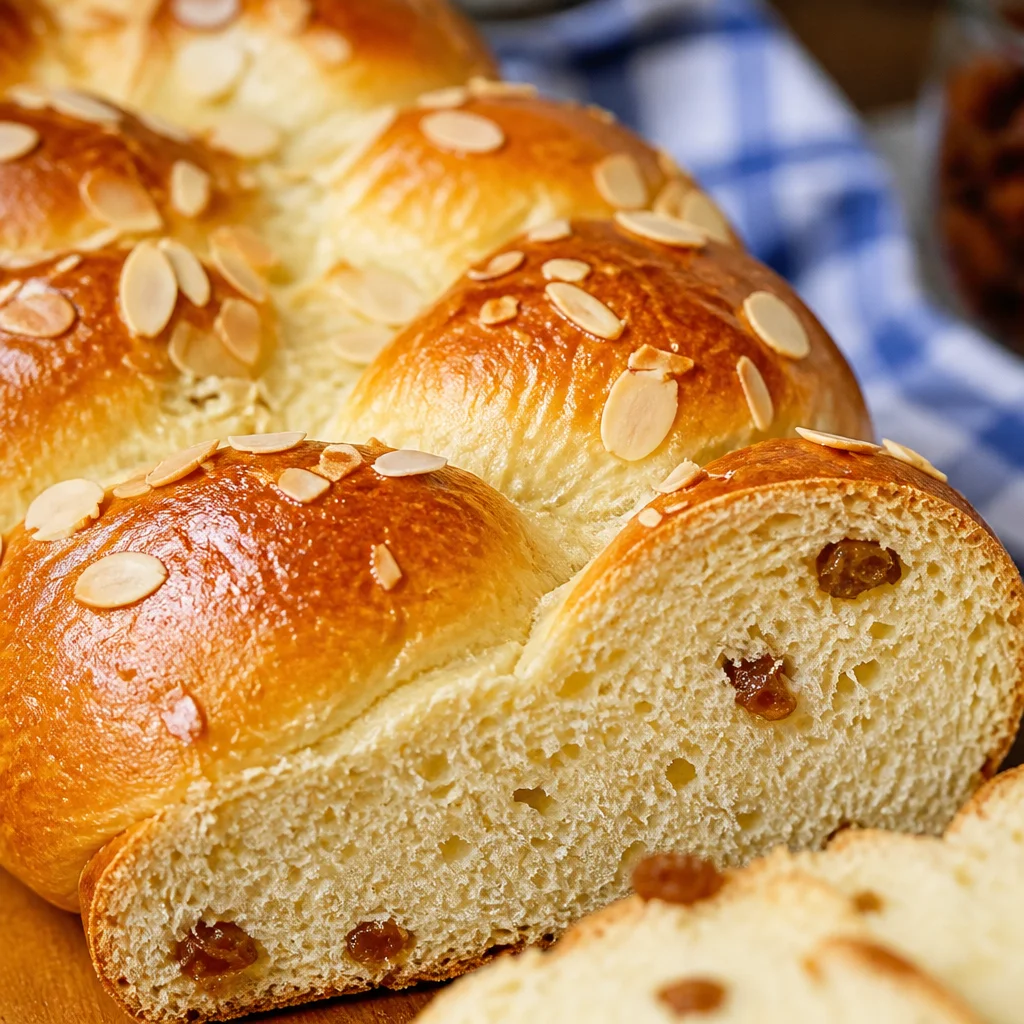
Authentic German Rosinenbrötchen (Raisin Buns)
Ingredients
Method
- Plump the raisins by covering them in warm water for 10 minutes, then drain and pat dry.
- In a large bowl, mix lukewarm milk, yeast, and a spoon of the sugar. Let it sit for 5 minutes.
- Add flour, remaining sugar, salt, egg, and softened butter. Mix until a dough forms.
- Knead the dough by hand or mixer until smooth and elastic, about 8 to 10 minutes.
- Flatten the dough, scatter over raisins, then fold and knead gently until spread out.
- Cover the bowl and let the dough rise until doubled, about 60 to 90 minutes.
- Punch down the dough and divide it into 12 equal pieces, shaping them into balls.
- Cover and let them rise for 30 to 45 minutes until puffy.
- Preheat the oven to 190°C (375°F). Brush with egg wash if using, then bake for 15 to 18 minutes until golden brown.
- Brush with melted butter after baking and cool for 10 minutes before serving.